Doctor Danielle Downs is a veterinarian in Delaware who shared her expertise about your dog's paws in her first article, "A Doggone Good Day," which can be found here. Read on for more tips about torn nails, frostbite and ice balls in paw pads.
Torn Nails
Most adventure oriented pet owners have experienced the blood bath that occurs when a dog tears a nail. Thick brush combined with overgrown nails is most often to blame. Tears at the nail base expose the vascular, fleshy quick which bleeds profusely when traumatized. Generally these injuries look much worse than they really are and with a few tricks of the trade can be managed easily in the field.
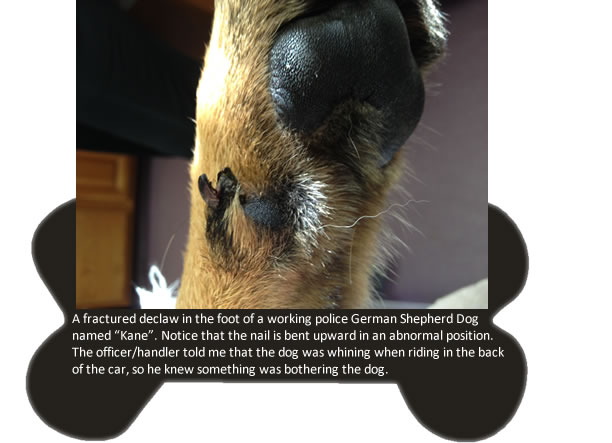
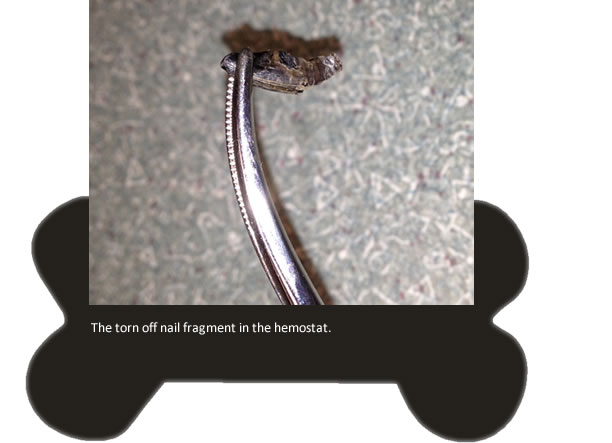
If the broken nail is still firmly attached at the base, cut it short so that the end of the nail does not contact the ground when the paw is down. Pressure on the fractured nail is painful. If the nail is loose pull it off. Firmly grab the end of the nail with hemostats or a clamp and pull away fast. This hurts, and even the best dog may bite so don't try this alone. Have someone hold the dog securely. A long sock (used like a padded rope) tied around the dog's mouth makes an effective temporary muzzle.
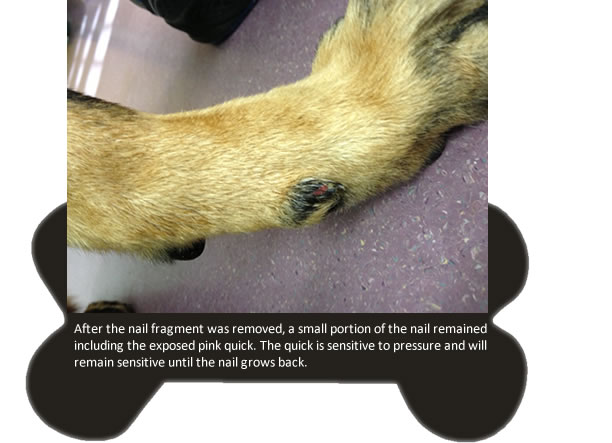
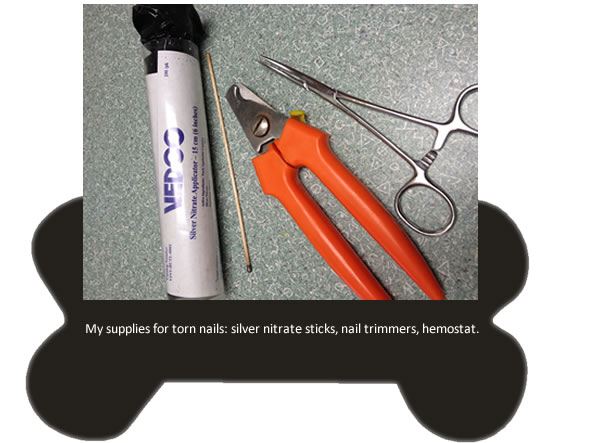
If cautery is available use it on the quick to stop bleeding. Silver nitrate sticks are used often for this in the veterinary office. Styptic powder (or even regular flour or cornstarch) applied directly to the bleeding quick can also be used to help speed coagulation. If none of these items are available, wrap the foot in a bandage - as described in the previous article - until bleeding stops. If the bleeding stops quickly, the dog is not in pain, and you can keep the nail bed clean, you may be able to continue the trip without significant down time.
Watch for progressing pain, swelling and redness at the nail bed, which is a sign of infection. My favorite home care to prevent and treat infection for torn nails is nightly soaks of the foot in warm water and Epsom salts. The soak helps to clean the exposed area and draw out the fluid causing pressure and pain. Just as an experienced trekker knows to keep nails short before long miles, a good dog owner should have nails clipped short prior to active travel to help prevent this type of injury.
Frostbite
In my practice, I have never encountered a case of paw pad or digit frostbite in a dog. I've seen frost bitten tail tips and ears, but never toes or footpads. I reasonably assumed that this was due to living in the mid-Atlantic region where winters are fairly mild. However, after some research, I was surprised to learn that frostbite in dog's feet is exceedingly rare even in extreme cold conditions. Consider the Iditarod, which is called the Last Great Race on Earth. During this one thousand mile race over snow and ice, where temperatures rarely break above zero degrees Fahrenheit, the race veterinarians have never reported a case of paw pad frostbite according to the race website.
Of course, dog feet are covered in fur and have thick leathery pads - which help provide protection from the elements - but it is believed that the peripheral vascular circulation in dogs does not constrict as dramatically as in humans when exposed to cold. Therefore, as long as the dog is moving, the warm blood is flowing and keeping those digits nice and toasty.
Snow and Ice Balls
No, I am not referring to dodging snowballs thrown by your friends, but the small balls of ice and snow that accumulate in the fur in-between and around the pads on your dog's feet. Ice balls are one of the major hazards for dogs that travel on snow and ice. Imagine a very cold pebble stuck in your shoe that you cannot get out. If left in place, the pup will eventually develop a blister beneath the ice ball. This is the reason - not frostbite - that booties are recommended for dogs traveling on snow and ice.
When traveling in snowy conditions, check between the toes regularly for these ice balls. If found, warm the foot in your hand to melt the ice then towel the foot dry. Do not continue travel until the foot is completely dry and preferably covered. If your dog doesn't wear booties, applying a semi-permeable wax like "Musher's Secret " prior to and during travel will help prevent ice accumulation.
We all love sharing a great day outdoors with our trusty, four-legged buddies. To keep them healthy and out of pain, create a first aid packet for your dog using the suggested materials from this and the first article. Store it with your first aid kit and you will be ready for any paw-sible injury.