
The
Wilderness Medical Society (WMS) will host the next Desert Medicine Conference from November 3rd through 5th 2025, at the Westward Look Wyndham Grand Resort and Spa in Tucson, Arizona. In
addition, a Wilderness EMS Medical Director course is offered as a two-day preconference.
Furthermore, a one-day preconference on desert search and rescue (SAR) skills will also be conducted by the Pima County
SAR members. This conference introduces the deserts of North America with a
specific focus on the essential topics of desert medicine when traversing the US
Southwest.
The WMS held
the inaugural desert medicine conference in 1995 in Tucson, Arizona, with repeated
conferences in 1999, 2011, 2014, and 2017. We thank Edward (Mel) J. Otten, MD,
a WMS Past President, for being a driving force in both conferences in the
1990s. His continued faculty role at subsequent Tucson conferences showcases
his long-term expertise and desert experiences, which are uncommon among many.
Notably, Mel authored the definitive guide to desert travel and survival in Auerbach’sWilderness Medicine, 7th edition, Elsevier, Chapter 61, 2017.
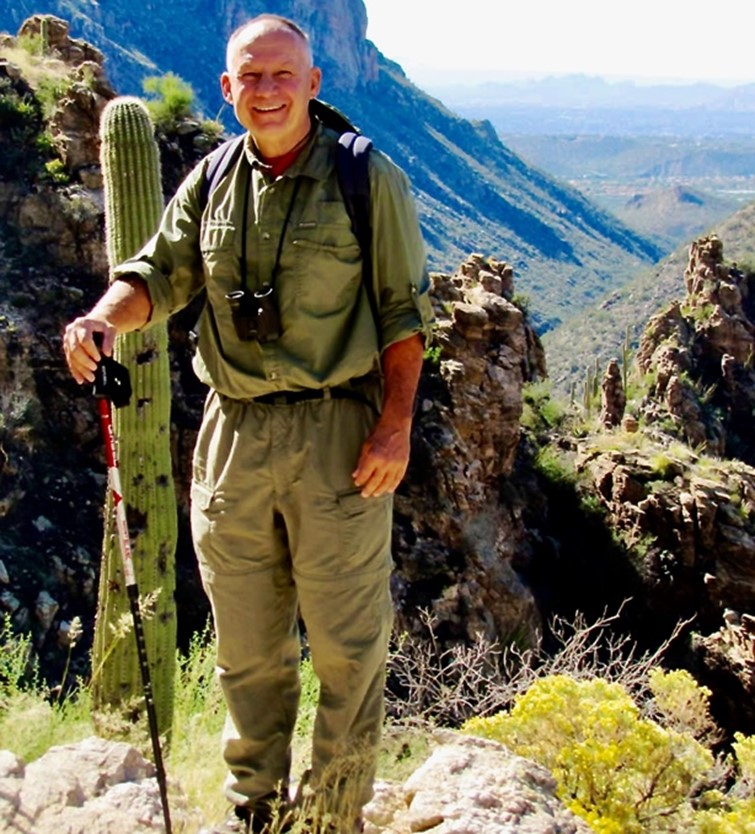
Figure 1. Edward (Mel) J Otten, MD, affectionally known as the first WMS Desert Rat.
Desert regions are distributed across all continents, spanning approximately one-fifth of Earth’s land surface. Experts have historically defined a desert as receiving less than 10 inches of precipitation annually. Notably, the rate of evaporation in deserts frequently surpasses the annual rainfall, and is characterized as "hot," "dry," and "empty." Some deserts have recently experienced extreme, record-breaking heat. Indeed, Death Valley National Park, California, set an all-time high in July 2024 when the temperature hit 129°F. This occurred during nine days of extremely hot weather where highs averaged 125°F. Conversely, some deserts experience cold winter temperatures and a risk of cold-weather injuries, and they maintain a colder climate throughout the year. The four North American Deserts are – see Figure 2.
- Great Basin Desert – California; Oregon; Nevada; Idaho, Utah; Wyoming, Colorado; ~200,000 square miles
- Mohave Desert – primarily in California and extends into Nevada, Utah, and Arizona; ~47,000 square miles
- Sonoran Desert – spans across Arizona, California, Baja, and the State of Sonora, Mexico; ~100,000 square miles
- Chihuahuan (chuh-waa-wuhn) Desert - Arizona, Texas, and northern Mexico; ~250,00 square miles

Figure 2. North American deserts of Sonoran, Mojave, Great Basin, and Chihuahuan. Photo Credit: Desert Botanical Garden.
Pertinent to climate change, there is also an ongoing concern about what is called desertification. This phenomenon occurs when traditionally fertile land, particularly in arid conditions, becomes drier and transforms into a desert environment. Currently, desertification poses a threat to 17 states and is alarming because it limits water availability in an environment. Desertification primarily affects areas with low or variable rainfall known as drylands, where human-caused land degradation is a major factor. This degradation is driven by various factors, including urbanization, mining, farming, and ranching. Climate change also plays a significant role in exacerbating desertification by increasing the risk of drought. As desertification reduces water availability, there is also a higher likelihood of associated illness and disease – a growing concern in desert medicine. In particular, desertification can increase the risk of respiratory health problems due to the decrease in air quality and aerosolization of microorganisms during increasingly frequent dust storms. For example, acquiring coccidioidomycosis (Valley Fever) is much more prevalent where desertification has occurred. Researchers at the University of California, Irvine have developed Valley Fever predictive maps, and by 2095 the current endemic regions primarily in two states will increase to 17 states in the US.
Accordingly, desert medicine draws parallels to wilderness medicine. It shares similar characteristics such as an austere environment, limited resources, and delayed evacuation to definitive care. Desert medicine, however, also uniquely includes specific acute thermal physiological responses and chronic adaptations to high heat exposure. These necessitate distinct medical management challenges and require key survival strategies. Additionally, desert medicine also exhibits crossover characteristics with travel medicine, wherein individuals visiting deserts may return home with delayed manifestations of conditions, such as dermatoses, respiratory tract infections, coccidioidomycosis, or hantavirus among others. Therefore, it is increasingly imperative to understand and recognize these hazards, as well as potential challenges, before exploring the world’s deserts.
Listed below are several essential topics in desert medicine topics that will be discussed at the WMS November 2025 conference.
Essential Desert Medicine Topics with References
Principles of Desert Survival
Final Thoughts
While acknowledging the potential hazards and health risks associated with deserts is crucial for safe and successful exploration, this knowledge often leads to a deeper comprehension of arid ecosystems and frequently fosters an enhanced appreciation for their inherent natural beauty. Indeed, the allure of deserts is frequently and eloquently described. These challenging environments can be enjoyed throughout the year, but they become particularly captivating during the spring’s annual wildflower season. Notably, the southwestern region’s Sonoran deserts and foothill areas are home to the rare Super Bloom wildflowers, which transform the landscape after substantial rainfall during the winter months. This phenomenon is depicted in Figure 3.
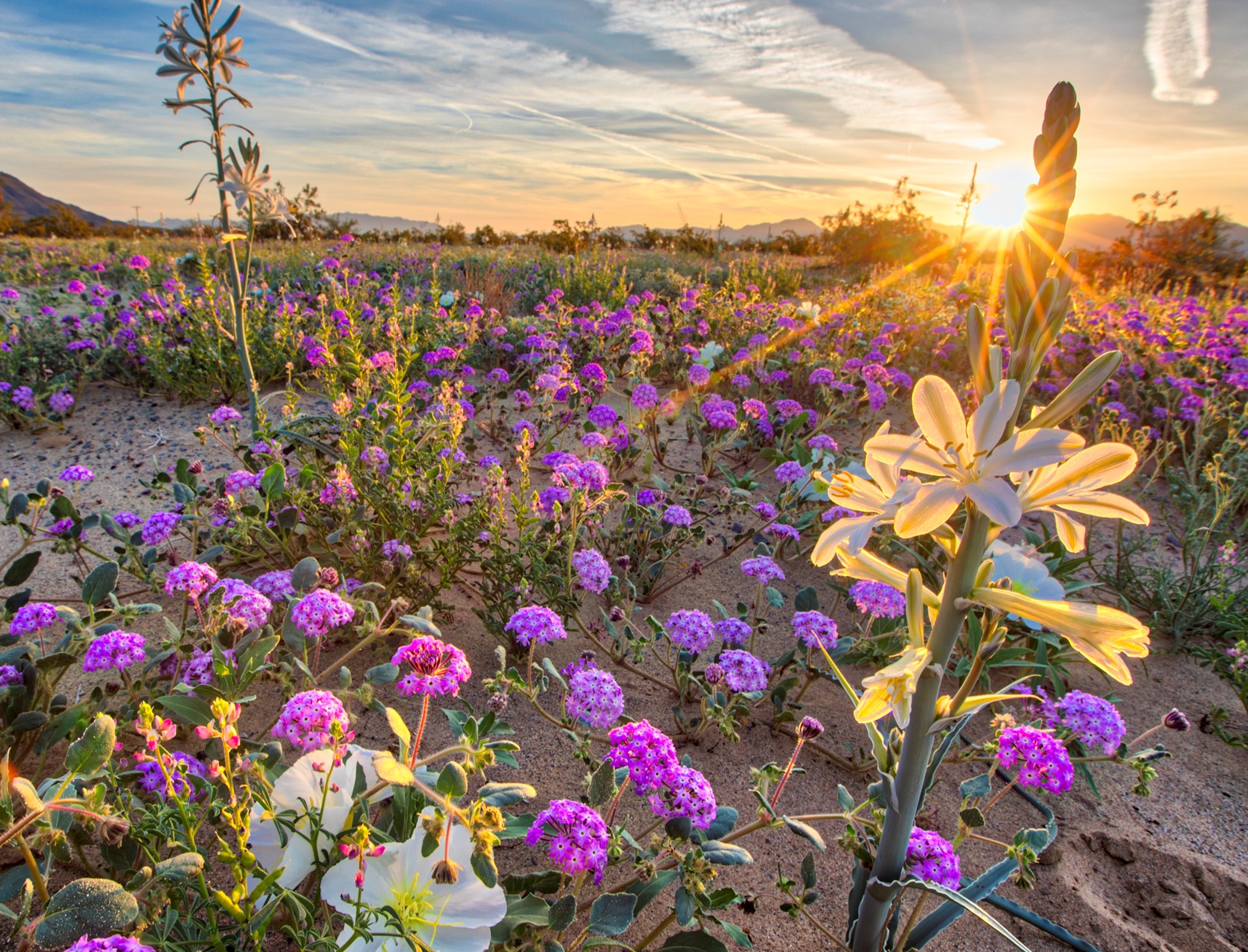
Figure 3. Desert Lily. Attribution Wikimedia Commons. Photo by Bob Wick, BLM.
Image in the public domain at: https://commons.wikimedia.org/wiki/File:Desert_Lily_Preserve_(32713098914).jpg
Edward F. Adolph, a preeminent physiologist, made a profound and insightful observation about the wonders of the desert as presented in the Preface of his textbook titled “Physiology of Man in the Desert.” During his three-year tenure in the early 1940s, Adolph made these observations (see Table 1) while conducting research on thermoregulation and metabolism in desert high heat exposure with US Army soldiers. This research aimed to alleviate the thermal strain and heat illnesses experienced by soldiers in northern Africa during World War II.
"Once the desert environment is understood, it loses its mystery. The great, open desert soon grows to be a friendly place with an ever-changing beauty of shifting color and shadow. It becomes a joy to view its vast distances to bordering mountains, painted in sunrise and sunset colors; its landmarks of wells, trails, habitations, and salt lakes; its hills emerging from the desert plain as from the sea. The scurrying lizards and hardy plants belie the conception of the desert as a barren waste. And, once or twice a year, for a few weeks after a rain, brilliant red, orange, and white flower colors outdo the brown and yellow rock and sand. Then, the desert is a garden spot with hovering insects and the scent of blossoms. Especially at night is the desert serene and friendly; the stars stud the sky, or the landscape is flooded with moonlight. We hope that the precise definition of man’s limitations will enable many persons to sojourn in the open desert in safety and enjoyment."
~ E. F. Adolph PhD, Physiology of Man in the Desert, 1947.
Table 1. E. F. Adolph’s observations about the California desert beauty between 1942-45.
We strongly encourage attendees of the WMS Desert Medicine conference in November 2025, and all others, to fully immerse themselves in the US Southwest deserts. This immersion should foster heightened awareness, appreciation, and preparation for the essentials of desert medicine.