The
growth of wilderness medicine (WM) education has spanned across career types,
specialties, and training levels. Although much information is now available on
initiating various WM educational programs, few articles have been published on longitudinal
tracks embedded in training programs. This article will describe educational
tracks, their benefits, curriculum development, logistics, and finish with
pearls and pitfalls. The authors draw from their experiences creating novel
wilderness medicine tracks at their institutions within emergency medicine
residency programs; however, much of the information could be applied to other
specialties or training programs.
Scholarly tracks are longitudinal programs designed to offer
trainees dedicated learning within a broader residency curriculum. Typically
structured with defined goals, faculty oversight, and scholarly output, these
tracks promote professional development and academic engagement. The Council of
Emergency Medicine Residency Directors recommends that tracks establish clear
objectives, align with faculty expertise, secure protected time, foster
mentorship, and promote ongoing refinement and improvement. Wilderness medicine tracks, in particular, offer residents increased exposure to the
field, support the pursuit of fellowship or academic careers, and provide
opportunities for faculty mentorship and scholarly production. They also
facilitate interdisciplinary partnerships, such as with local EMS or park
services, that help bridge prehospital and hospital-based care.
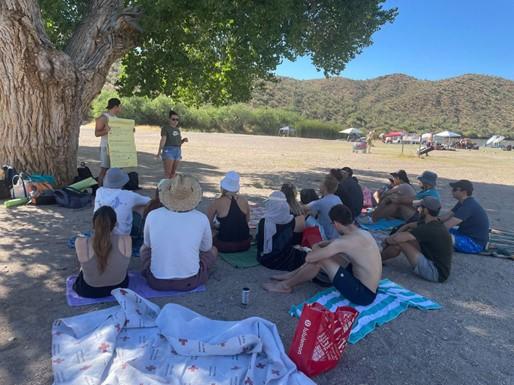
Track participants lecture on water safety and drowning management. (Geoff Comp)
Designing a Curriculum
The development of a successful WM track is feasible and can
be highly beneficial for both the program and its participants. However,
careful planning is crucial to avoid common pitfalls and ensure the long-term
growth and sustainability of the program. Additionally, developing programs
that have flexibility helps overcome many of the early challenges. These small
strategies can help build a program that is rewarding to both residents and
faculty.
Curriculum development can be daunting; some core elements include didactics (e.g, lectures, journal clubs), skills sessions (e.g., survival skills, simulations), field experiences (e.g., SAR ride-alongs), and interdisciplinary collaborations with local organizations (e.g., providing education to local EMS agencies or the public). A prior publication sought to develop core content for wilderness medicine tracks. Although certain core content is recommended, the material should be tailored to local pathology and expertise to improve practical benefits and decrease barriers to implementation. The length of the curriculum and frequency of meetings should also be aligned with the realities of the institution; many that are found in emergency medicine residency programs are either one or three years in length and meet monthly or quarterly. An example of a one-year curriculum:
- Introductory workshop (orientation, scope of WM, safety principles)
- Didactics and journal clubs covering heat illness, hypothermia, frostbite, high-altitude and dive medicine, wilderness trauma and rescue, and expedition and disaster medicine
- Annual capstone event: mock scenario with a simulation-based assessment
Several other opportunities include completion of a commercial WM course or attending a Wilderness Medicine Society (WMS) conference. Good introductory topics include those with the most faculty expertise and interest. Senior residents with an interest in WM or who have completed the track may also help further develop the overall structure. The WMS also offers some educational content free to those with a premium membership. Additional requirements may include case presentations, abstract or manuscript submissions, teaching engagements, and field experiences. Track activities often foster interdisciplinary collaborations, such as lectures for local rescue services in exchange for hands-on training and partnerships with groups like search and rescue or ski patrols. Engaging local media during larger events can also build relationships and create opportunities to share public health messaging with the community.
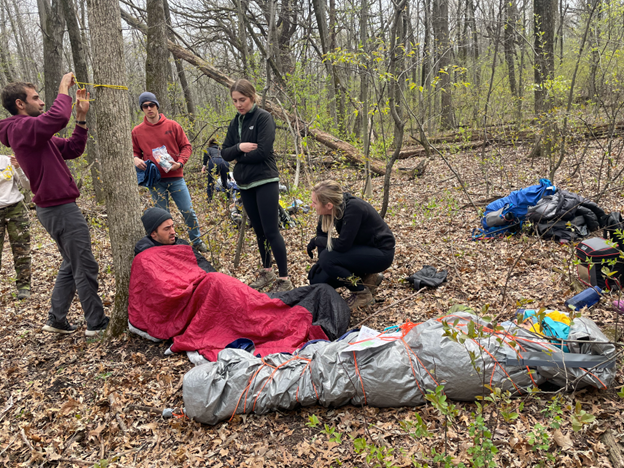
Track participants participating in the final exam scenario for student elective. (Joshua Timpe)
Supporting Your Track
Funding is a common challenge when starting a WM track, especially without existing infrastructure such as a fellowship or WM department. While classroom-based tracks require less funding, most tracks need additional funding for outdoor gear and training equipment. Departmental educational or wellness funds are often the most accessible sources, particularly with a well-prepared proposal aligned with program goals. Faculty may initially rely on CME funds or personal finances; tracking spending and demonstrating impact can support future funding requests. Additional support may come from recruitment budgets, interdisciplinary partnerships, or teaching medical student WM electives. Grants from organizations like SAEM or WMS can provide both research support and equipment. Low-cost gear can also be sourced from thrift stores, local outdoor groups, or expired medical supplies from community partners. Gear needs vary significantly depending on educational goals, faculty expertise, and local pathology. Basic WM tracks should have gear for teaching lifts, carries, litters, wound care, and splinting orthopedic injuries.
Most tracks should carry other essentials, including ropes, tarps, liters, sleeping bags/mats, orienteering, and other outdoor survival and evacuation essentials. Portable simulation equipment can also further enrich hands-on learning experiences.
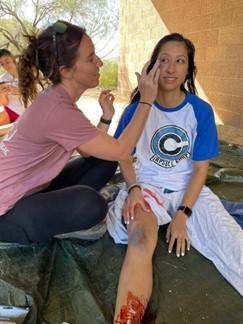
Event planning and volunteer patient preparation. (Geoff Comp)
Liability and Scheduling
It is crucial to understand potential legal implications for your track. Liability waivers should be considered for specific activities, particularly when working with other organizations or higher-risk activities (e.g., climbing, diving, caving). It is important to understand the requirements of the training program and the associated educational institute (e.g., Graduate Medical Education Department).
Scheduling can be an additional challenge given the limited free time of trainees. Some training programs have dedicated protected time set aside for their educational tracks. Offering attendance credit for attending track events may help improve participation. Ideally, events occur on days or times when fewer residents and faculty are working clinically. One strategy is to establish a recurring time slot that can be agreed upon jointly with the program's scheduler to provide a predictable schedule.
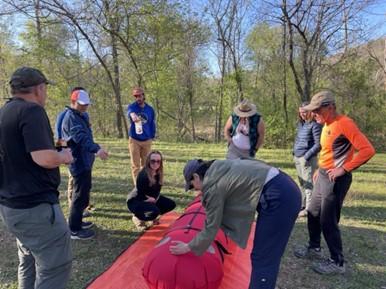
Gamow Bag demonstration. (Joshua Timpe)
Pitfalls & Pearls
Pitfalls
- Optimism about new opportunities may lead to overpromising, particularly when first starting. It is important to have realistic goals initially and allow success to build further.
- Working without first securing institutional buy-in and support can lead to cancelling activities, which may lead to significant attrition.
- Faculty burnout may ultimately lead to a lack of sustainability, especially if a single faculty member is responsible for managing the track. Developing a team of faculty and senior residents as track leaders can help distribute the responsibility.
- Failure to produce scholarly activity from these experiences at the time of implementation limits efficiency.
Pearls
- Start small: having a few motivated residents as the first participants can be quite helpful in trialing educational programming, building momentum, and creating materials to use later.
- Before asking your department or institution for funding, put together a proposal including benefits to the learners and department (e.g., recruitment, alignment with department goals, etc.).
- Aligning with national guidelines can be helpful, as they provide valuable information for developing educational materials. Using established curricula can be helpful in overall track scheduling.
- Using pre-existing institutional resources can be helpful, especially when first starting; resources can be built up over many years to ultimately develop a successful one.
- Developing relationships with other faculty, departments, and local organizations may ultimately provide mutual benefits.
- Formally assigning a faculty champion that has protected time to run the track helps provide some institutional support; however, it is often useful to involve other faculty, if possible, to help offload the burden and provide some variety.
The development of a successful WM track is feasible and can be highly beneficial for both the program and its participants. However, careful planning is crucial to avoid common pitfalls and ensure the long-term growth and sustainability of the program. Additionally, developing programs that have flexibility helps overcome many of the early challenges. These small strategies can help build a program that is rewarding to both residents and faculty.
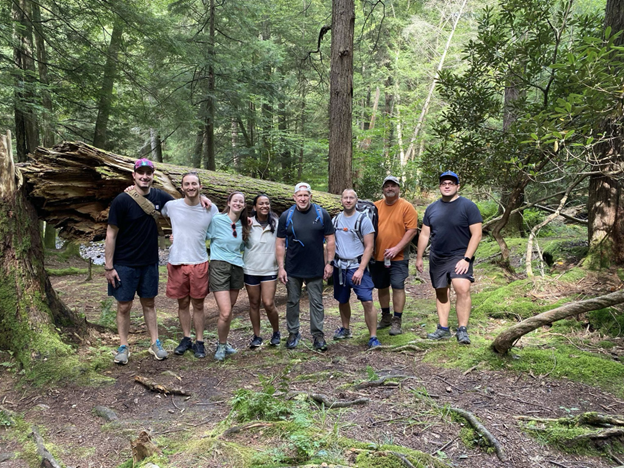
Educational group hike. (Kevin Watkins)