Roanoke, Virginia is a place I never thought I would travel to. That was until I had the amazing opportunity to participate in a two-week wilderness medicine elective through Virginia Tech Carilion. With the promise of camping, caving, and technical workshops, I packed my bags and headed east.
Greeted by ten other participants- a mix of residents, medical students, and numerous excited instructors- we embarked on this adventure.
Our course started at Smith Mountain Lake where we learned sailboat rigging and water rescue skills. This was followed by an afternoon of orienteering, which to the surprise of multiple participants, had nothing to do with getting oriented for the course. With compasses in hand, we broke into small groups and raced through the forest to find waypoints and answer wilderness medicine-themed trivia questions.
The rest of the first week centered around completing the BRAM WMP (Blue Ridge Adventure Medicine Wilderness Medical Provider) course. While many aspects of this were similar to a Wilderness First Responder course, it emphasized pathophysiology and advanced medical skills more suited to physicians and advanced practice providers. We reviewed topics such as hypothermia, marine envenomations, trauma, and mass casualty events in the remote setting. We also discussed which conditions can be managed in the field and what requires extraction to advanced medical care.
After completing the lecture and workshop portions of this course, we put our skills to the test with an overnight rafting trip. With scenarios intermixed, we paddled out to Deer Island for an evening of austere medical training and laughter.
Our second week involved more expedition-based learning. The local cave rescue team took us to Blacksburg where we explored the dark and muddy depths of an underground limestone cave to learn the unique challenges of cave rescue. Next, we practiced swiftwater rescue skills on the James River, including how to avoid strainers and wade across fast moving waters using only your paddle and the support of your team. After this, we practiced low angle rope rescue skills, including how to build a twin tension system to raise an injured patient up uneven terrain. We even had the opportunity to try SCUBA diving at a local pool.
This elective did not only involve simulated scenario-based learning: we worked with real patients at the local ultramarathon and trail running festival, Grindstone. We broke into small teams to provide medical support, dispersed into remote locations across the 100-mile course. From lost runners needing to be located, to musculoskeletal injuries, to delirium provoked by pouring rain, hyponatremia, and hypoglycemia, we helped participants either achieve their race goals or realize when their own safety needed to be prioritized.
Our course ended with a full day mass casualty incident, complicated by the real-world challenges of Hurricane Helene. With floods and pouring rain, we donned our gear and set off to search for patients. We gained a glimpse into the reality of search and rescue operations, including patient stabilization, logistical planning, transportation challenges, and a simulated field hospital.
Wilderness medicine has been a passion of mine for many years. This elective was a unique opportunity to train with similar-minded individuals, learn about wilderness medicine, and discover how I can integrate this into my career. I am thankful for the skills I learned, but more importantly the connections and lifelong friends I made in Virginia. From the sea shanties echoing during our paddling trips to the cave crevasses we squeezed into, to the ice cream sundaes on the couch after a long day, our elective was full of adventure, friendship, and laughter.
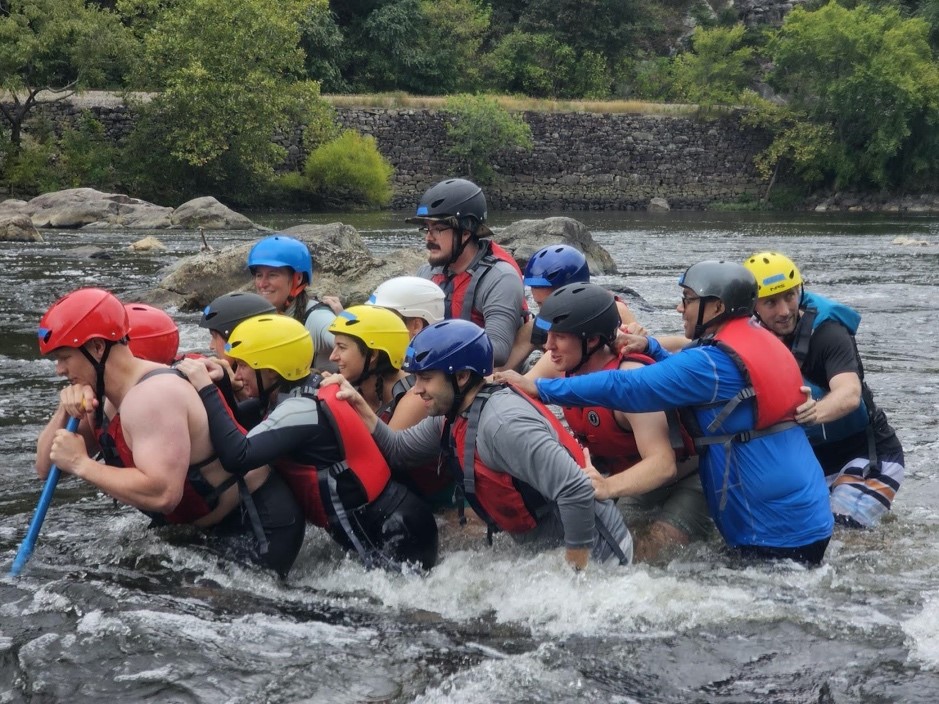
Swiftwater rescue (Credit: Carver Haines)
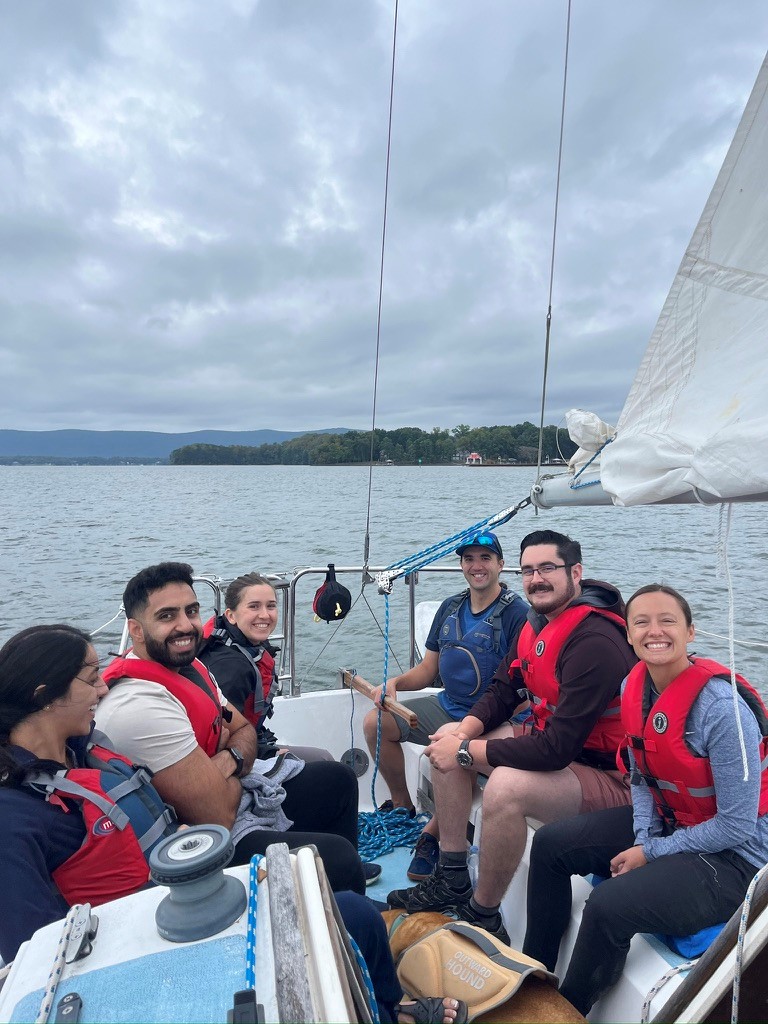
Sailing on Smith Mountain Lake (Credit: Stephanie Lareau)
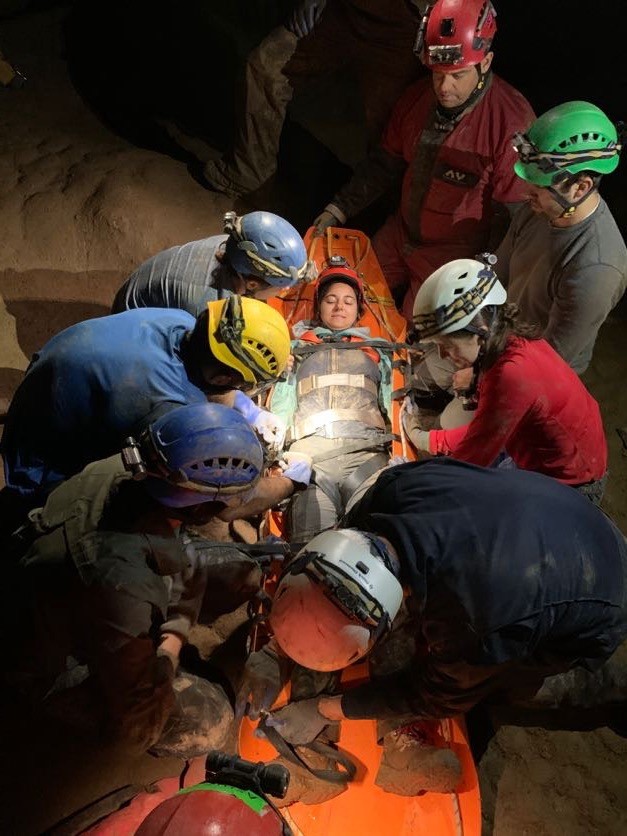
Cave rescue (Credit: Brian Roach)
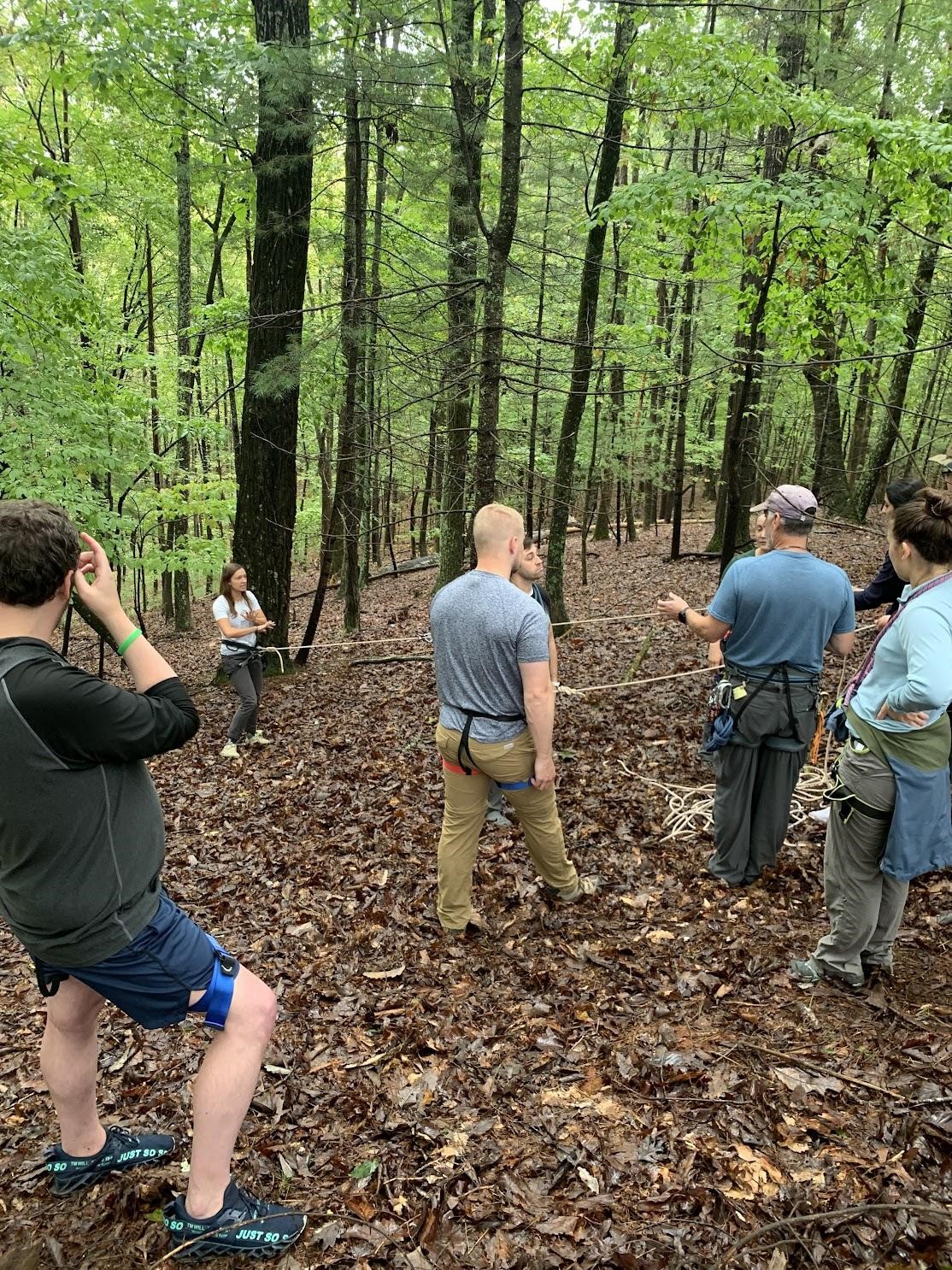
Low angle ropes rescue (Credit: Christianne Jafari)