Covering twenty-two stunning miles of Kauai’s Na Pali Coast, the Kalalau Trail is a bucket list hike for just about everyone. It is however not for the faint of heart. Due to the trail’s sheer cliffs, flash flood prone stream crossings and geographical remoteness, it is routinely touted one of the most dangerous trails in the world. The trail itself is responsible for at least two deaths and more than one-hundred drownings have occurred in its surrounding waters. This year alone, from January 1st through October 23rd, sixty-nine rescues have occurred on the trail.

Kalalau Trail, Kauai, HI. Source: KalalauTrail.com
On October 29th, 2025 at approximately 9:44 AM, first responders from the Kauai Fire Department were called into action once again after receiving a 911 message from a hiker on the trail. The 57-year-old male reported being unable to hike out due rapidly progressing fever and weakness following an apparent spider bite. After a brief medical assessment on the Kalalau Beach landing zone, rescuers airlifted the hiker to Waimea softball field where he was then transferred to a local hospital for further medical care. From the 911 distress message to scene safety, the rescue lasted just one hour and eleven minutes. Further details of the hiker’s condition are not known at this time, but it is presumed the spider bite led to a skin and soft tissue infection necessitating medical evacuation.
Though not common, the bites of two spider species on the Hawaiian islands, the Southern Black Widow and the Brown Widow, can be a medical emergency. Signs and symptoms of bites from these spiders can range from local itching, pain, blistering to systemic muscle cramps, difficulty breathing and fever. If a bite from these spiders is suspected, the State of Hawaii Department of Health recommends identifying the type of spider if safe to do so, cleaning the area with soap and water, applying ice to the area and elevating the extremity while coordinating a way to seek medical attention. Fortunately, most sources indicate that hospital visits due to spider bites in Hawaii are fewer than ten cases per year.
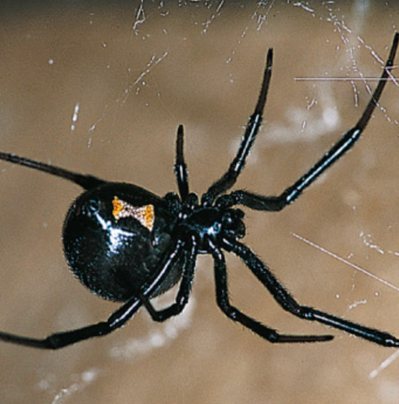
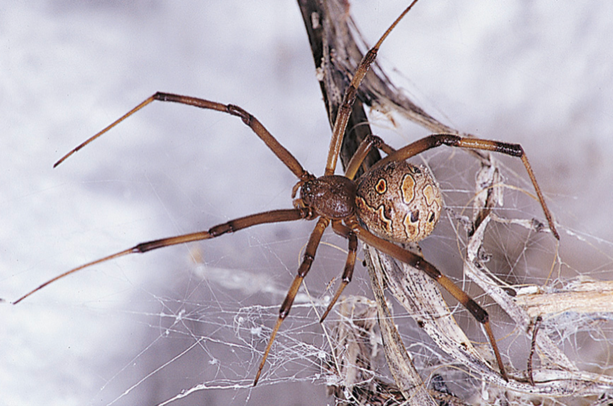
Mature female western black widow spider (left) and mature female brown widow spider (right). Source: Auerbach’s Wilderness Medicine, 7th edition
Widow spiders are found worldwide with the Brown Widow found throughout North America and the Black Widow known to every US state except Alaska. These two spiders tend to bite defensively often when they are encroached upon, or their web is threatened. Somewhat distinct from other arthropod venoms, envenomation from widow spiders often leads to widespread, sustained muscle spasm rather than local tissue injury, which if present is typically trivial, a tiny papule or punctum. In severe cases, widow bites can lead to significant hypertension, central nervous system dysfunction and abdominal pain that can be mistaken for an acute abdomen. After local field care, hospital management includes tetanus prophylaxis, monitoring for hypertension and treating muscle spasms with intravenous narcotics or benzodiazepines. Use of antivenom is rare, occurring in only 3.4% of exposures, but should be discussed with your local poison control center.
As may have been the case for the evacuated hiker, many spider bites are uncomplicated from an envenomation standpoint but can be complicated by skin and soft tissue infection. Keeping affected areas clear of organic soils like that found in swamps, bogs, jungles is key to infection prevention. Should wounds become contaminated with soils, marine water or be greater than one centimeter, providers should perform low volume (one liter), high pressure irrigation with potable water. Creation of a moist wound environment using low-adherent dressings, like wet to dry gauze or topical antibiotic ointment can be considered to promote healing and reduce rates of infection. Unfortunately, even with proper wound care, there is still a 1% to 12% risk of infection. In such instances, antimicrobials such as amoxicillin-clavulanate may be used. If antimicrobials are not available or there are local or systemic signs and symptoms of infection progression, evacuation should be considered.
Stepwise Recap of Spider Bite Management
- Identify type of spider if safe to do so
- If brown or black widow bite suspected, seek medical care
- While waiting, clean area with soap and water, apply ice and elevate the extremity
- Once at medical facility, consider tetanus prophylaxis
- Pain and muscle cramps can be managed with narcotics and benzodiazepines
- Antivenom can be considered in coordination with the Poison Control Center