Starting a wilderness medicine student
elective can be daunting. This step-by-step guide will help you navigate the
process, from initial design to post-course refinement.
First, Design Your Curriculum
Designing your curriculum is an exciting
challenge. The key is to cover foundational principles while leveraging the
unique strengths of your location and instructors.
Building Your Core Content
Start by asking: By the end of the course,
what should a student be able to do? Use the recently published Curriculum Guidelines forWilderness Medicine Medical Student Electives: 2025 Update as a guide for your curriculum and evaluation process. A well-designed
elective should equip students to:
- Survive and Thrive: Teach students to care for themselves first. Cover essentials like appropriate dress, water treatment, and basic survival skills so they don't become a patient.
- Lead and Collaborate: Focus on teamwork, leadership, and communication for austere settings. Use mock rescues and consider teaching a formal Incident Command System.
- Manage Common Problems: Cover the management of common backcountry illnesses and injuries, from building first-aid kits and splinting sprains to managing chronic conditions.
- Handle Wilderness Conditions: Teach the assessment and management of conditions rarely seen in hospitals, such as lightning strikes, submersion injuries, envenomations, and environmental exposure.
Adding Your Unique Flavor
Once the core topics are set, add modules that make your course special. Lean into what makes your location and faculty unique. For example:
- In the Rockies? Dive deep into altitude illness and avalanche safety.
- In the Southeast? Focus on drowning and heat illness.
Don’t feel pressured to cover everything. Highly technical topics like swift water rescue or dive medicine are fantastic if you have the resources and expertise, but they aren’t mandatory for a great introductory course.
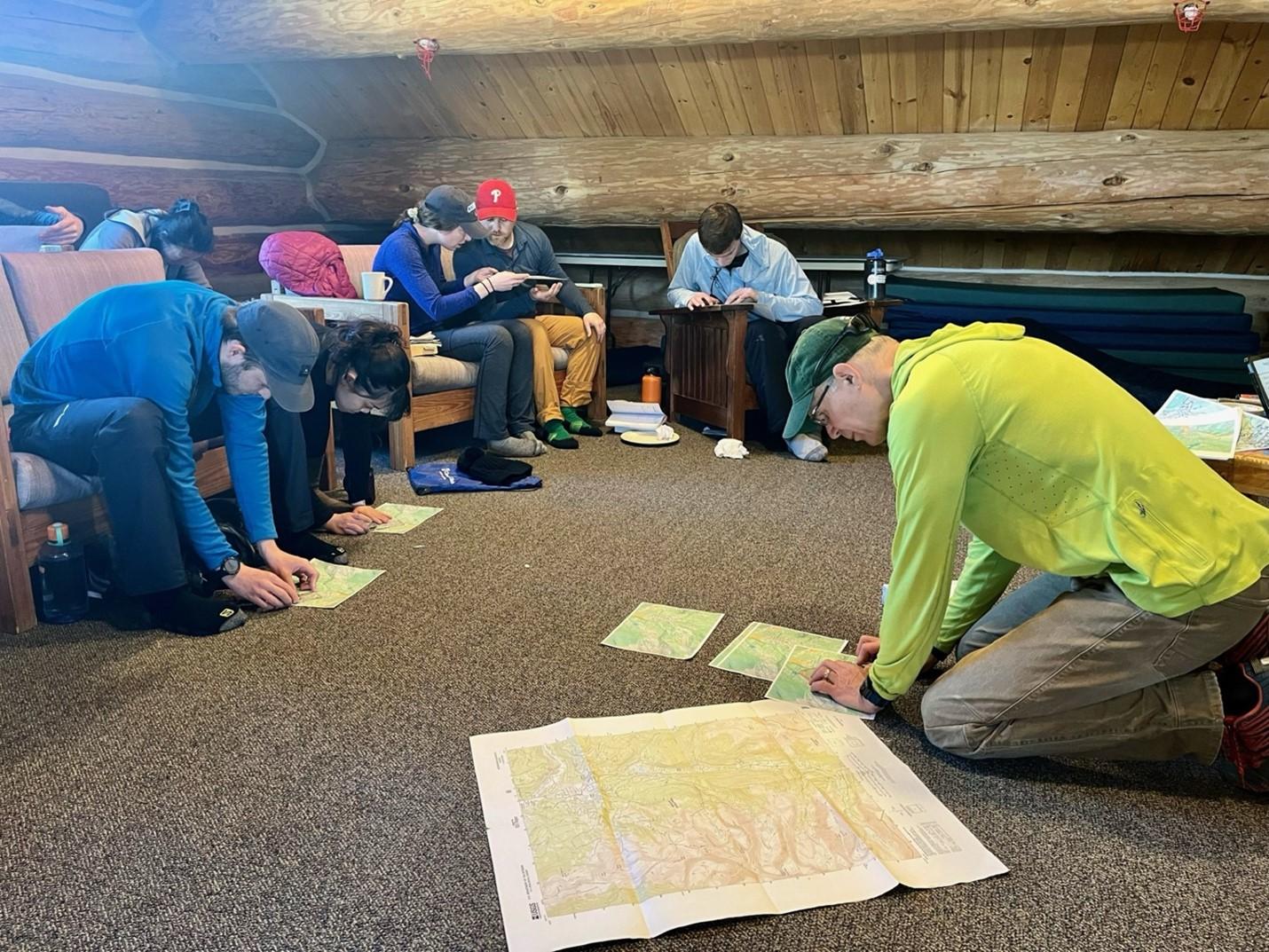
In addition to his own elective, Dr. Walt Schrading is a regular guest speaker at BreckWild (since 2018). Maintaining volunteer faculty support is pivotal. Students learn hands-on land navigation. (Lara Phillips)
Choosing Your Teaching Methods
How you teach is just as important as what you teach. The best courses get students out of their chairs and into the action, blending teaching styles to keep things engaging.
- Classroom Time: Use dynamic lectures, small group discussions, and journal clubs to cover foundational knowledge.
- Hands-On Practice: Dedicate ample time to practical skills. Use realistic simulations with moulage and mock patients to practice splinting, decision-making, and rescue scenarios.
- The Field Trip: An overnight or multi-day expedition is the ultimate capstone experience. This immersive adventure forces students to integrate their skills, from packing and teamwork to patient assessment and improvisation.
Choose Your Evaluation Methods
Evaluation and feedback are integral. Many schools use competency-based models with entrustable professional activities (EPAs) and observable practice activities (OPAs). The Curriculum Guidelines for Wilderness Medicine Medical Student Electives: 2025 Update includes example EPAs and OPAs you can adopt. A final summative exam is not always necessary. Many programs use a large-scale mass-casualty simulation as a capstone; others add a brief formative assessment to identify and address knowledge gaps before the course concludes.
Step 2: Get Approval from Your School
Curriculum Committee
Approval varies by institution but typically requires presenting to a curriculum committee. Demonstrate academic rigor and unique educational value—teamwork, leadership, and pathology not covered elsewhere. Meet with subcommittees or leadership (e.g., a dean) beforehand to refine your proposal and build support. From conception to launch often takes six months to two years, so plan accordingly.
Address Legal Issues
Work with your school’s legal team on a waiver and to determine liability insurance needs. Most institutions have a template waiver they can modify to meet their requirements, which vary widely.
Step 3: Implement Your Elective
Funding
Wilderness medicine electives can be expensive, especially if you provide gear. Funding models include coverage by tuition, direct student fees, or external sources. Whatever the model, ensure your budget covers expenses so the elective remains sustainable; avoid subsidizing costs personally.
Recruitment
No elective can exist without students. Consider these logistics as you recruit:
- Who to Invite: While often designed for medical students, consider opening the elective to residents, nurses, APPs, or EMS students. Learners from diverse medical backgrounds often share a similar baseline knowledge in wilderness settings, and their unique perspectives can enrich the educational experience for everyone, creating a rich, collaborative environment.
- How Many Students: Determine the right number of students for your course. This is often dictated by lodging space and backcountry group size limits. While smaller groups allow for more instructor interaction, they may be less cost-effective.
- When to Schedule: For fourth-year medical students, the best months are often July through September. This timing aligns with residency interviews and can be a great way to attract talent to your institution. An alternative is the February through April timeframe, when most fourth-year students have completed their required rotations and have time for electives.
- Application Timeline: Open applications well in advance. Some programs open applications 15 months ahead of time to align with when third-year students plan their fourth-year schedules, while others accept applications up until three months before the start date.
- Selection Process: If you have more applicants than spots, decide on a fair selection process. A randomized lottery gives novices the same opportunity as experienced students, while a formal application may be better for more specialized, advanced electives.
Once logistics are set, get the word out through student interest groups (e.g., wilderness medicine, EMS, global health). Attend your school’s elective fair, encourage word-of-mouth from past students, and post your elective on the Wilderness Medical Society’s Catalog of Electives to attract students from other institutions. Offering a certification (e.g., Wilderness First Aid, Wilderness First Responder) or FAWM credits through the WMS can be a strong incentive.
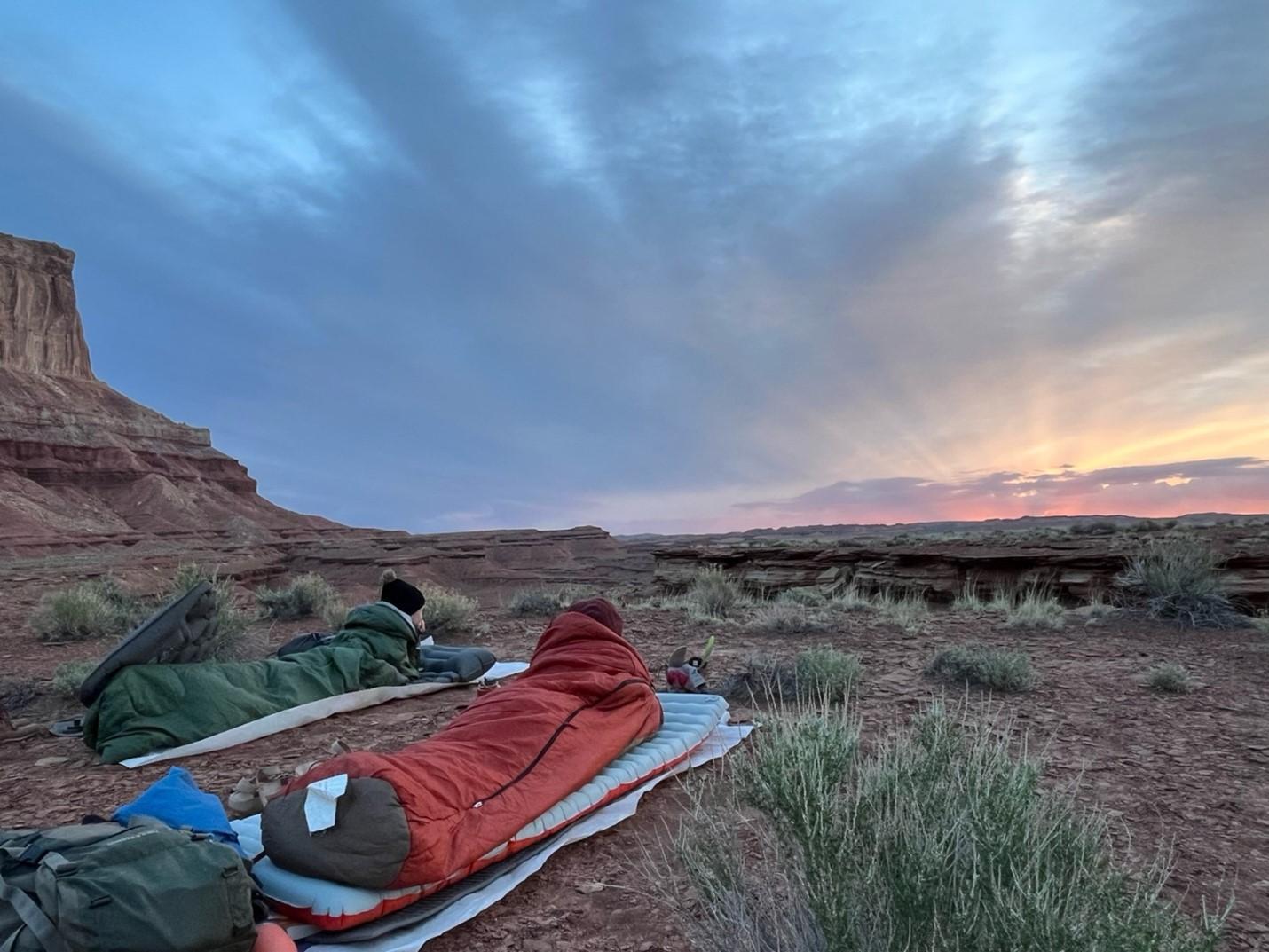
Participants in BreckWild wake to a Utah desert sunrise after cowboy camping. (Lara Phillips)
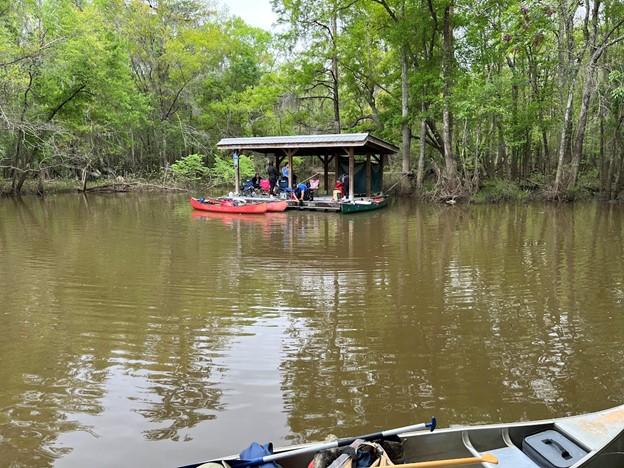
Students at the South Alabama elective camp on floating platforms in the Tensaw River Delta. (Walker Plash). Each environment supports unique educational goals.
Faculty Support
Faculty support is essential. Guest faculty bring subject-matter expertise, real-world experience, and mentorship—and enhance your program’s reputation. Retain faculty with recognition, feedback, and appreciation. Over time, an alumni pool of former students can become a valuable source of future faculty and support.
Step 4: Solicit Feedback and Update Your Curriculum
No elective is perfect on its first iteration. Solicit anonymous feedback from students immediately after the course to identify strengths and areas for improvement. Build time for evaluations on the last day, as response rates drop significantly after students leave. Use a paper or electronic format that includes numeric ratings and free-response questions; the latter often provides the most valuable insights.
Once you have your feedback, it’s time to update your curriculum. It can be natural to become defensive about something you’ve put so much work into, but no elective will be perfect the first time. Be thoughtful about the feedback you received and figure out how to make your elective even better. Once you have a plan, you can start getting ready for your next class of students.
A Day in the Life
What does this look like in practice? Imagine a day that starts on a trail, not in a lecture hall. The morning is spent building improvised splints from branches and backpacks. Then a radio call: a “hiker” (a moulaged faculty member) has fallen nearby. Your team navigates by map and compass, assesses the patient, stabilizes the “injury,” and coordinates a litter carry back to basecamp. After a debrief, you run a hands-on session on water purification. This blend of structured learning, high-fidelity simulation, and practical survival skills makes a wilderness medicine elective unforgettable.