On July 19, 2025, Angela Lin, 29, was hiking with her boyfriend and two other friends in Yosemite National Park. They were on a
popular trail through Tuolumne Grove, an easy, 2.5-mile round-trip trail on the
western side of the park, known for its towering giant sequoias and iconic tunnel tree. The group was on the
established trail when they heard a cracking sound from overhead. Branches fell, one striking Lin in the
head. Despite immediate and lengthy CPR
efforts, Lin was pronounced dead at the scene.
She is felt to have been killed instantly by the impact of the falling
branch.

Photo courtesy of Angela Lin’s family
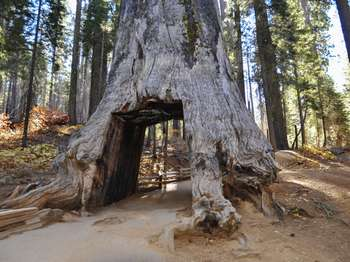
A walk-through tree. Source: NPS
The most frequent causes of accidental death in national parks are falls and drowning - fatal injuries from falling branches are unusual. Of the 98 deaths in Yosemite from 2014 - 2019, only about 3% were categorized as environmental, a group that would include incidents involving trees, according to National Park Service data.
While unusual, this type of tragedy is not without precedent. Yosemite’s park website describes a phenomenon known as sudden limb drop, particularly among California black oaks. The science behind this phenomenon is a subject of debate, but it appears to be related to water stress. Frequently occurring in calm weather and during summer months, large limbs from otherwise healthy oak trees suddenly break, with little to no warning. Sudden limb drop has been the source of injuries and deaths in Yosemite in the past, including deaths of a park worker in 2012 and two high school students in 2015, all of whom were struck by falling limbs while sleeping in tents. The phenomenon isn’t unique to California. A quick internet search of “sudden limb drop” reveals warnings from arborists around the country. Oak trees are particularly susceptible, but other trees can also be affected.
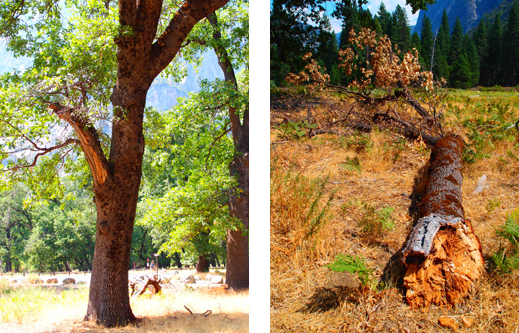
Black Oak Tree. Source: NPS
In addition to the sudden limb drop phenomenon, dead branches can fall without warning, injuring people who may be working or recreating beneath them. Widowmakers, broken or detached limbs, are especially likely to fall. In Yosemite National Park, drought, warming temperatures, and bark beetles have caused high levels of tree mortality, including deciduous trees and evergreens. A 2019 National Park Service report indicates that Yosemite National Park has increased staff to identify and remove hazardous trees from developed areas, while leaving wilderness areas untouched. It is unclear whether heavily trafficked hiking trails would receive monitoring or maintenance.
Safety Advice for Park Visitors:
While risks cannot be eliminated, some precautions can reduce the chances of injury from falling limbs:
- Be aware of your surroundings. Look up as well as around.
- Avoid standing beneath visibly dead or broken branches. Sharp bends in branches may also be failure spots.
- When resting, try to find shade that isn’t directly under a large branch, particularly for oak trees
- Keep small children and others who cannot move quickly out from under trees
- Avoid pitching tents under trees, particularly those with damage or decay
- If you hear a loud crack from a tree, quickly move away
- Avoid hiking during a windy storm
Even with precautions, nature sometimes defies prediction. Angela Lin was on easy terrain and remained on the established trail. She was the victim of an unlucky tragedy. Our deepest condolences go out to her family and friends as they grieve this sudden and devastating loss.