When visiting a community pool, a waterpark, or a sunny beach, we depend on aquatic personnel to provide a safe experience. Whether it is the lifeguard vigilantly scanning for danger, the supervisor maintaining a well-developed aquatic risk management program, or those in roles that support safe operations, such as slide dispatchers, first aiders, aquatic attendants, and often maintenance, facilities, security or other on-site emergency response personnel tasked with responding to major events (called allied aquatic professionals), they all play an important role! Although aquatic personnel must be prepared to respond, and frequently do, to emergency situations on the job, they are often not considered first responders. Aquatic personnel have typically been categorized as recreational employees, while other occupations such as firefighters, paramedics, and police officers are categorized as public safety employees. Some have given aquatic professionals the label of “forgotten first responders.”
This label isn’t just metaphorical—it reflects a troubling reality. While firefighters and other emergency responders have been widely studied for the mental effects of their work, aquatic professionals have largely been left out of the conversation. In fact, we recently performed a gap analysis of the scientific literature on stress after a critical incident such as a fatal or non-fatal drowning or other emergencies. The results were startling.
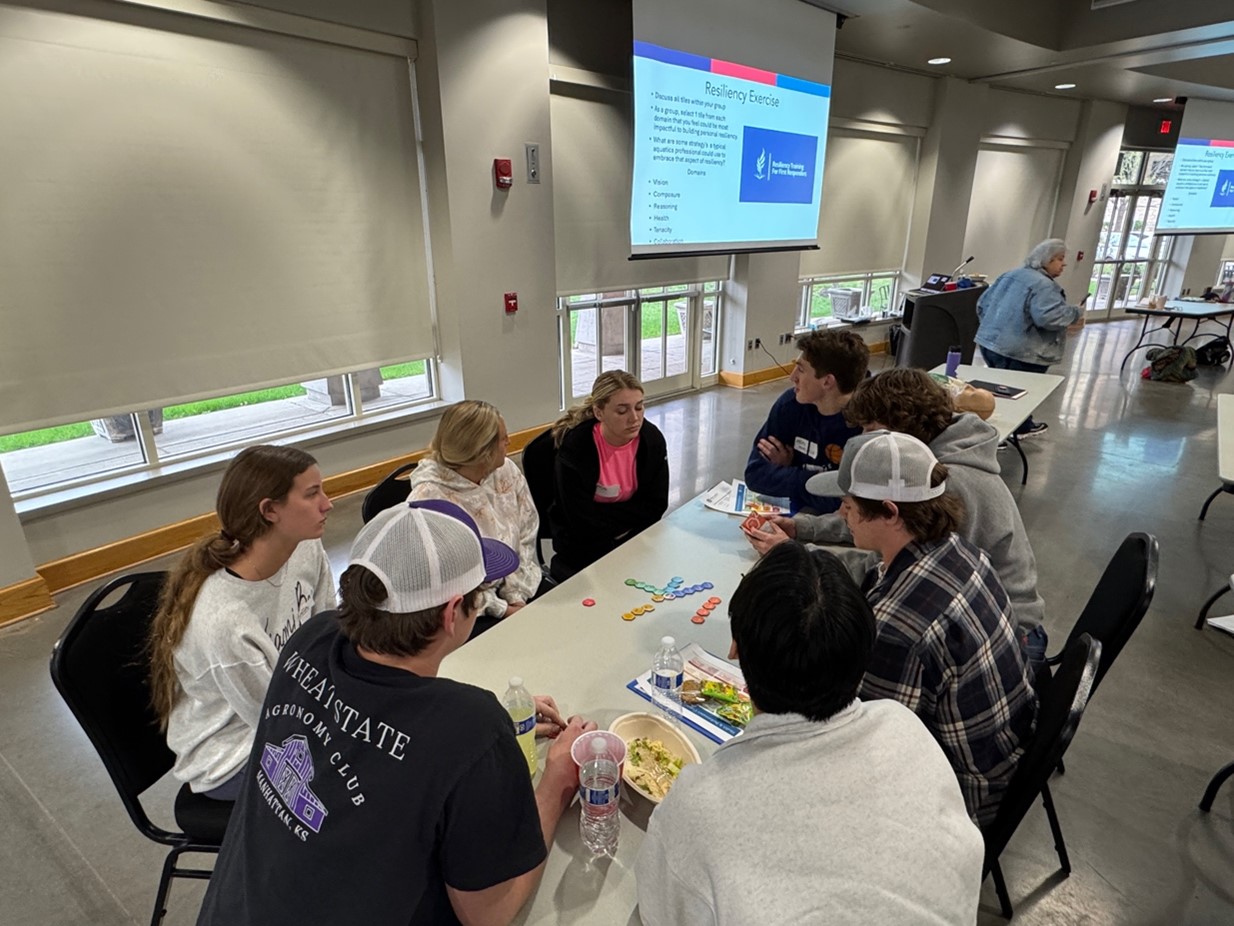
Figure 1: Lifeguards participating in ILCIRA’s Lifeguard Resiliency Training Workshop
A Startlingly Small Body of Research
We scoured academic databases with keywords like “critical incident stress,” “lifeguard,” “post-traumatic stress,” “water rescue,” and “mental health.” Out of 385 articles initially flagged as potentially relevant, only four—just four!—met the criteria for inclusion.
The rest? They focused on how lifeguards performed during emergencies—evaluating their CPR technique, response times, or training efficiency—not the stress for the employee after the rescue. Others examined factors leading up to emergencies, like unsafe behavior by swimmers or poor parental supervision. Still others addressed physical illnesses and injuries that lifeguards could face, such as sun exposure or heatstroke for those working outdoors and asthma for those working in indoor environments with poor air quality. The physical health and performance of aquatic personnel are critically important. However, mental health is an equally important, yet sorely overlooked component.
For comparison, when the same search strategy was applied to research on other emergency responders, the initial search produced almost 300x more results. This outcome shows that other emergency-focused occupations are increasingly recognizing that mental health is equally important and interconnected with the physical health and performance of the first responder. They also recognize the toll that stress from a critical incident can take on mental health, physical health, and work well-being. This massive discrepancy isn’t just academic. It’s a sign of a systemic blind spot—a gap in how we view and support the people who protect us at pools, beaches, waterparks, and other aquatic environments.
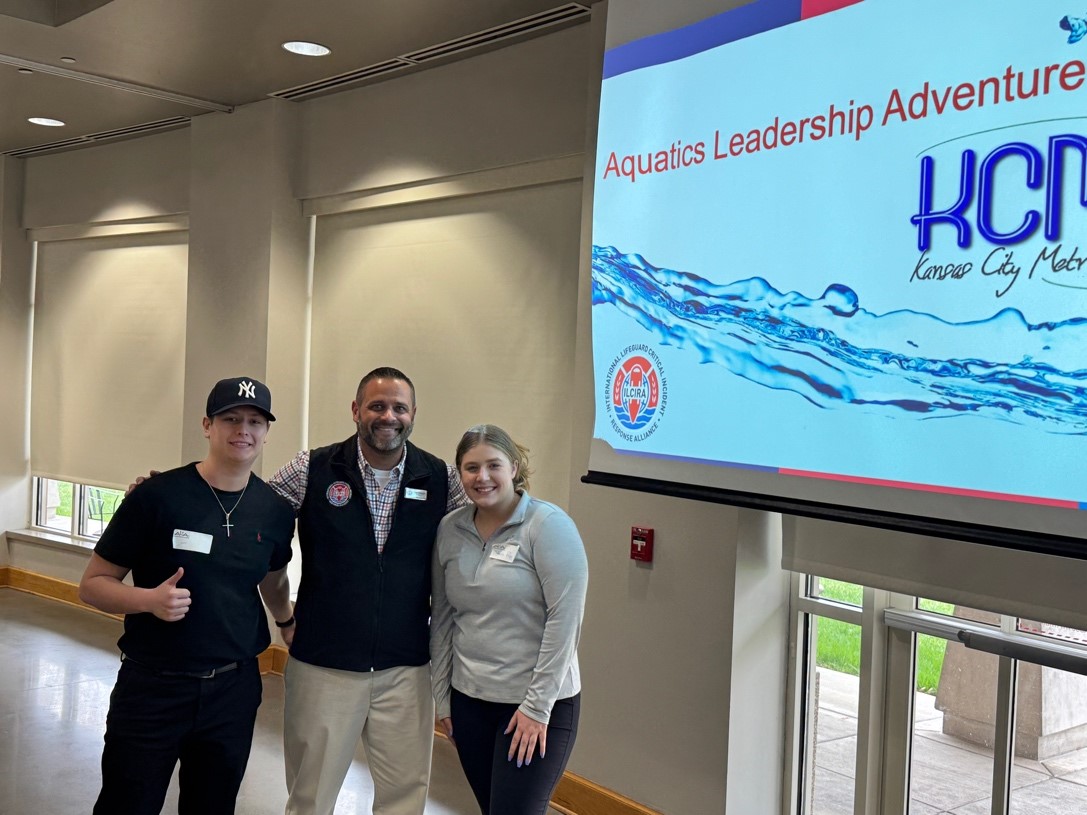
Figure 2: ILCIRA Leadership providing Pre-Incident Education with support from Lifeguards that recently experienced a Critical Incident.
What Is Critical Incident Stress—and Why Should We Care?
Critical Incident Stress (CIS) refers to the psychological strain experienced after a traumatic event, especially one that involves loss of life, serious injury, or intense danger. Among police, firefighters, and paramedics, CIS is well-documented. It’s linked to anxiety, depression, post-traumatic stress disorder (PTSD), insomnia, and even long-term physical health problems. Work-related impacts are also observed; diminished performance, compromised safety, and job dissatisfaction plague an industry already suffering staffing difficulties.
Emerging evidence suggests that aquatic personnel aren’t immune to these outcomes. They may, in fact, be particularly vulnerable. Many are young—high school or college students working summer jobs—with limited life experiences and without first responder stress management and resiliency training to emotionally process what they might witness. Others work in environments where their role is still seen more as a recreational service than a high-stakes profession. They’re expected to “shake it off” and return to their post, even after confronting serious injury and death. Owing to the pediatric skew in fatal and non-fatal drowning, we hypothesize that aquatic responders face a high number of potentially traumatic events related to children, which can be particularly challenging.
Preliminary findings suggest that how an aquatic professional responds to CIS can be influenced by factors like gender, age, personality, and workplace environment. But because the research is so sparse, it’s difficult to draw broad conclusions. What we do know from experience is that the psychological burden is real—and often invisible.
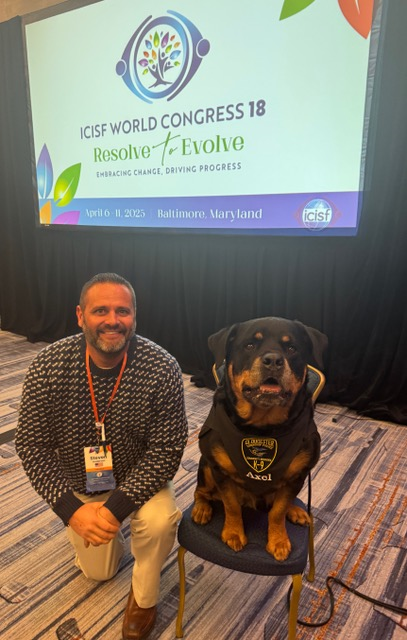
Figure 3: ILCIRA Strategic Partner, Crisis Response Canines supports Animal Assisted CISM Interventions, when appropriate.
Addressing Gaps in CIS Research and Resources for Aquatic Personnel
If we want aquatic personnel to thrive—and to continue protecting swimmers effectively—we need to start treating them like the essential first responders that they are. That begins with research. We need to understand how common CIS is in this population, how it affects their mental and physical health, and what kinds of support systems might help them cope. We also need to offer research-informed programs and resources in aquatic facilities. It is not enough to simply understand that CIS is a problem – we must put systems in place to prevent and treat CIS, as necessary.
Luckily, a partnership has been formed to address these gaps. The US based non-profit the International Lifeguard Critical Incident Response Alliance (ILCIRA) is collaborating with the Center for the Advancement of Military and Emergency Services Research at Kennesaw State University to perform foundational research on the prevalence and impact of CIS in aquatic personnel. We are also implementing and evaluating a pilot program to train aquatic facilities in Critical Incident Stress Management (CISM). CISM is a method of helping first responders and others who have been involved in critical incidents that leave them emotionally and/or physically affected by those incidents. It is used extensively in industries ranging from EMS, police, fire, and military to civilian airlines, social workers, and anywhere traumatic events take place. CISM is a term that refers to a comprehensive, integrative, strategic planning system complete with a multitude of crisis intervention tactics. The confidential process helps the impacted professional rebound from the effects of a critical incident, restore adaptive functioning, and to return to active duty and their lives.
Validated models focus on using peer relationships to help provide a sense of normalization and assist an impacted individual in re-establishing their disrupted normal coping strategies. Our hope is to identify the extent of the problem with an international survey and implement CISM programs while simultaneously studying their impact and efficacy.
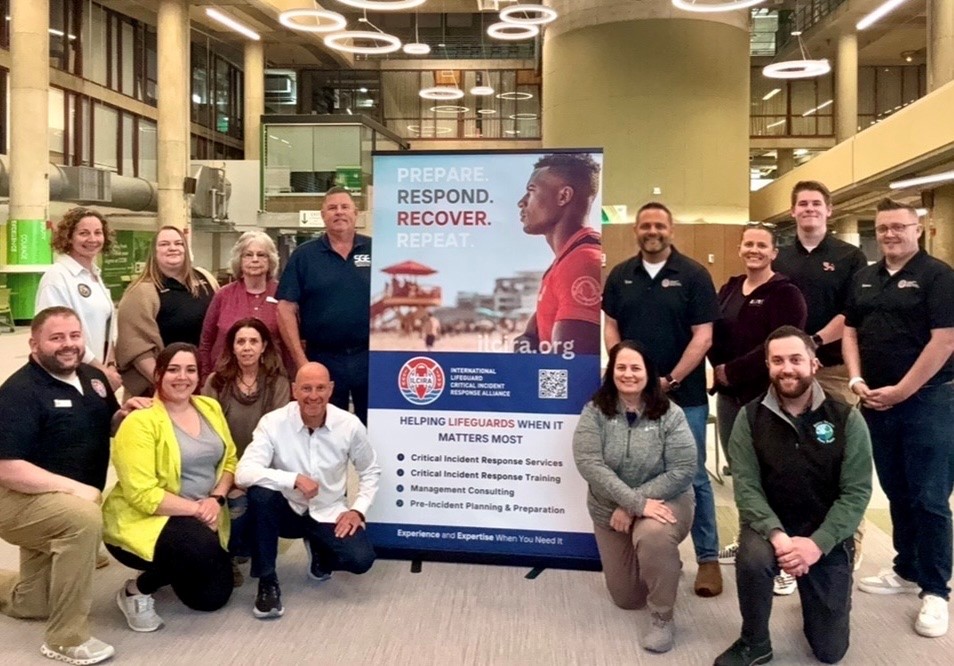
Figure 4: First CISM for the Aquatic First Responder Course consisting of pool, beach and waterpark leaders.
We Need Lifeguards – and Now They Need Us!
We trust aquatic personnel with our children, our friends, ourselves. But that trust is a two-way street. It’s time we stop viewing aquatic personnel as summer hires and start acknowledging them as critical safety professionals. They’re not just the ones we look to in moments of crisis. They’re also the ones who carry the weight long after the sirens have stopped.
Our hope is a future where introductory lifeguard courses include pre-incident education training to help mitigate the risk of negative outcomes even before a potentially traumatic event occurs. The next goal would be to have nationally available resources via an integrated Aquatic Critical Incident Response Team which are immediately accessible after an incident occurs, similar to what occurs in the airline industry, military, police & fire services. The ILCIRA’s United States team has trained their first group of Peer Support Volunteers to begin filling this need. The front line team is supported by leadership with advanced CISM & Employee Assistance Professional training, with Clinical Director oversight. Peer Support Volunteers will be able to refer complex or challenging cases to the ILCIRA Leadership Team, who can assess and triage cases for referral to more advanced outside resources, when necessary. Extended range plans include targeting regional, national and international aquatics associations, organizations and in some cases certification agencies themselves to embed trained CISM Peer Support Volunteers within their operations. The combination of widely available pre-incident education, immediate post-event intervention, and short/long term follow-up, as appropriate, could improve the care of our lifeguards and allied aquatic professionals.
We also hope to present the findings of our gap analysis at the World Conference on Drowning Prevention in Egypt in November 2025. The next phase of the study will be to circulate a survey to aquatic professionals from across the globe to better understand the depth and breadth of their exposure to potentially traumatic experiences.
For more information about the research study click here.
If you are involved with a service or facility with lifeguards or other aquatic professionals and would like to be included on the distribution list once the survey goes live, please complete the International Aquatic Personnel Critical Incident Prevalence & Impact Study Interest Form
To help support our efforts or gain additional information, please visit ilcira.org or contact us at [email protected].