On December 16, 2024, twelve individuals tragically lost their lives to carbon monoxide (CO) poisoning on the second floor of an Indian restaurant located in a ski resort in Georgia, Eastern Europe. The incident occurred after a power generator was turned on inside after the building's electricity was switched off. This event highlights an often overlooked hazard that claims hundreds of lives annually in the United States alone, particularly during the winter months when gas-powered heating systems are in use to hinder the effects of cold weather.
While CO poisoning is frequently associated with urban environments, where faulty home heaters and gas leaks are common culprits, the risk extends to wilderness settings as well. The improper use of portable camp stoves in enclosed spaces can also cause carbon monoxide buildup, underscoring the need for awareness and precaution in outdoor activities.
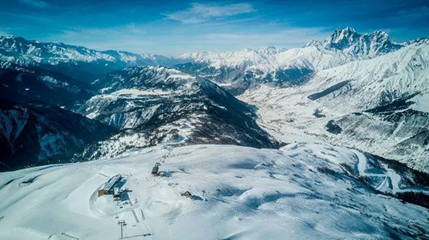
Gudauri is located in the Caucasus mountains in the Mtskheta-Mtianeti region. Source: BBC
Carbon monoxide, also known as the “silent killer,” is an odorless, colorless gas produced by the incomplete combustion of organic materials. Once inhaled, CO binds with hemoglobin to form carboxyhemoglobin (COHb), a compound incapable of transporting oxygen. This results in hypoxia and cellular damage, which can be fatal if not addressed promptly.
The clinical presentation of CO poisoning can be deceptive, mimicking conditions such as Acute Mountain Sickness (AMS) and other common illnesses. Symptoms include nonspecific “flu-like” complaints such as headache, nausea, weakness, and dizziness. In severe cases, CO toxicity may cause cerebral edema, leading to confusion, ataxia, and loss of consciousness. It can also manifest as pulmonary edema, characterized by shortness of breath, hypoxia, and, in some instances, lead to acute myocardial infarction.
A key diagnostic challenge lies in the potential inaccuracy of pulse oximetry readings in CO poisoning victims. Though oxygen saturation levels may appear normal, the actual oxygen-carrying capacity of the blood is compromised. Additionally, a rare sign is a cherry-red discoloration of the skin, which is usually a post-mortem finding.

Cherry-red skin coloring, a dermatologic finding associated with CO poisoning. Source: MedScape
Rescue teams face unique challenges in responding to CO incidents. They must conduct thorough risk assessments to ensure their own safety before attempting to assist victims. Entry into contaminated areas should be delayed until the affected area is ventilated or access to autonomous breathing apparatuses with oxygen support is available to minimize exposure.
Preventive measures are critical to reducing the incidence of CO poisoning. The Centers for Disease Control and Prevention (CDC) recommends the following precautions:
- Never use generators, grills, camp stoves, or other gasoline, propane, natural gas, or charcoal-burning devices inside homes, basements, garages, campers, or near open windows or air conditioning units.
- Install CO detectors near sleeping areas in homes and regularly test their functionality.
- Perform routine maintenance on chimneys, generators, and heaters to identify and address leaks or blockages that could lead to CO accumulation.
For wilderness enthusiasts, these guidelines extend to portable equipment used during outdoor activities. Best practices include ensuring proper ventilation when using camp stoves or heaters and avoiding their use in enclosed spaces. If necessary, studies suggest limiting cooking time to less than 10 minutes. Using a portable carbon monoxide detector is a good way to improve awareness of the carbon monoxide levels and alert for danger even while asleep. As the popularity of backcountry recreation grows, so too must awareness of the risks posed by carbon monoxide.