In the realm of medical missions and humanitarian relief deployments, where resources are often scarce and conditions unpredictable, healthcare providers have learned to rely on more than just their medical expertise. We are frequently putting items to use in ways they may not have been intended to or we may always be reaching for our one go-to tool. When packing for a global health mission or humanitarian relief deployment, providers have a moment of time and limited space to pack a few essentials for their medical and survival kits. While training in wilderness medicine teaches us to be resourceful and creative in austere situations, picking the right gadgets can greatly impact both our ability to provide care and improve our comfort- which thereby also impacts our ability to provide great care.
To better understand what gadgets make a difference in the field, we surveyed healthcare providers from the Global Health, Disaster, and Humanities Special Interest Committee with experience on the front lines of global health missions. Their responses offer a glimpse into the innovative and essential items that have proven indispensable in challenging environments. The graph below shows that survey respondents report experience from both medical missions and disaster relief positions equally, indicating that the gadgets mentioned are relevant to both types of missions. Both supplies to aid in healthcare delivery and to enhance overall provider experience while in reduced resource situations were shared.
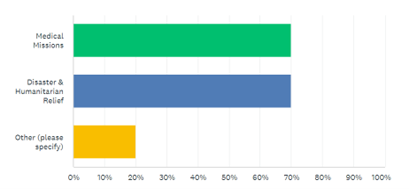
Reported experiences of survey respondents.
Medical Gadgets
Most organizations conducting missions and deployments provide the basic supplies tailored to specific situations. Healthcare providers often augment these with additional equipment to bolster their diagnostic and therapeutic capabilities. Fundamental tools such as a stethoscope, medical tape, trauma shears, and permanent marker were listed as indispensable items. Beyond these basic essentials, the anticipated nature of the mission – whether it involves longitudinal healthcare in low resource communities or disaster relief – guides additional items on the pack list.
In scenarios where trauma cases are prevalent, supply kits may contain specialized items such as SAM splints, high-temperature cautery pens, and CAT tourniquets. These items are crucial for addressing acute injuries effectively.
As technology evolves, so too have the arsenal of field-use gadgets. Among the most notable items recommended by multiple respondents are portable or handheld ultrasound devices. These tools are prized for their diverse utility in both diagnostic and therapeutic interventions, and can enhancing the quality of care provided. Similarly, portable x-ray and fetal doppler were cited as indispensable for missions dealing with high rates of traumatic injuries. Doppler, in particular, was noted to be beneficial to “assess blood flow in potential femur fracture in a war or post-earthquake environment”.
|
Medical Gadgets
|
|
Fundamentals
- Trauma shears
- Stethoscope
- Medical tape
- Permanent marker
Trauma Response
- Disposable high temp cautery pen
- SAM splint
- CAT tourniquet
Innovative Tools
- Fetal doppler
- Handheld ultrasound
- Portable x-ray
|
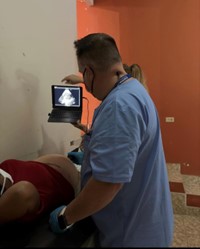
Using a handheld ultrasound to show mom her baby (Amber Beserra).
Personal Gadgets
Ensuring personal safety and comfort is paramount during medical missions or deployments, not just for oneself but for the entire team. As healthcare providers, our ability to care for patients hinges on our own well-being. The variety of personal items recommended by respondents underscores the importance of this principle. Essential safety items such as a water filter bottle, team medication supply, and mosquito net/SansBug tent are crucial, tailored to the specific environments anticipated. Respondents also highlighted numerous tools to boost productivity and facilitate patient care, including a utility tool, power bank, adapters, multiple headlamps, a mini portable projector, duct tape, superglue, and paracord. These versatile supplies address various needs from device powering to fixing and enhancing equipment. Additionally, personal items like lightweight clothing and baby wipes ensure comfort amidst challenging conditions. Each item serves as a reminder to prioritize preparedness and adaptability in the field.
|
Personal Gadgets
|
|
Safety
- Team medications (ie nausea, diarrhea, antibiotics, analgesia)
- Mosquito net or SansBug tent
Productivity
- Utility tool
- Power bank
- Outlet adapters
- Headlamp (x2)
- Mini portable projector (added bonus: a mini tripod to hold it)
- Duct tape
- Superglue
- Paracord
Comfort
- Lightweight personal gear
- Baby wipes
|
Conclusion
Creativity is pivotal when selecting gear for medical missions and global health deployments. For instance, a survey respondent repurposed their high temperature cautery pen for “a fire starter or spider killer”, demonstrating how a single tool can make a difference in patient care and provider comfort. Similarly, utilizing a mini portable projector not only facilitates community education but also the enjoyment of the team during down time. Moreover, packing gear that can be donated to the local community fosters lasting impact beyond the mission’s duration. This ripple effect ensures sustained benefits long after the departure of the medical team.
As healthcare providers continue to innovate and adapt to the challenges of medical missions and humanitarian relief deployments, these gadgets play a crucial role in improving global healthcare. Whether it's enhancing medical care capabilities or ensuring safety and well-being of providers, each gadget represents a stride towards delivering effective healthcare even in the most challenging environments.
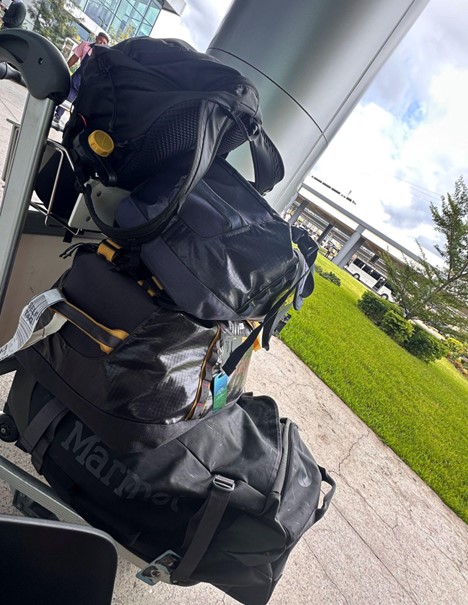
Transporting gadgets for a medical mission in Honduras (Amber Beserra).